


Description
Introduction to the Oregon Trail Commemorative Coins
The Oregon Trail commemorative coins serve as a tangible representation of the monumental journey undertaken by pioneers during the westward expansion of the United States. The Oregon Trail was a vital route, stretching more than 2,000 miles, that facilitated the movement of thousands of settlers seeking new opportunities in the western territories. This migratory phenomenon marked a significant chapter in American history, as it was characterized by either perilous endeavors or hopeful aspirations for prosperity.
In 1934, the United States Congress recognized the importance of this historic journey by enacting legislation that authorized the minting of the Oregon Trail commemorative silver half dollar. The intent behind producing these coins was to honor the sacrifices and determination of the pioneers who traversed this arduous path in search of a better life. Moreover, proceeds from the sale of these coins were intended to support the construction of a monument in remembrance of these individuals’ struggles and achievements.
The legislative act aimed not only to commemorate the Oregon Trail’s historical significance but also to foster a sense of national pride. The design of the coin reflects prominent themes associated with the pioneers, showcasing their resilience and the spirit of exploration. The half dollar features imagery that pays homage to those who ventured into the unknown, risking everything for a chance at a new beginning. By connecting the minting of the coins with the promotion of historical awareness, the initiative served as an educational tool while also enriching the numismatic landscape.
In essence, the Oregon Trail commemorative coins embody both a historic legacy and a celebration of the shared values that define the American experience. Their creation was not merely an act of remembrance but an invitation to future generations to reflect on the lessons learned from the stories of those who came before.
Design and Features of the 1934 Half Dollar
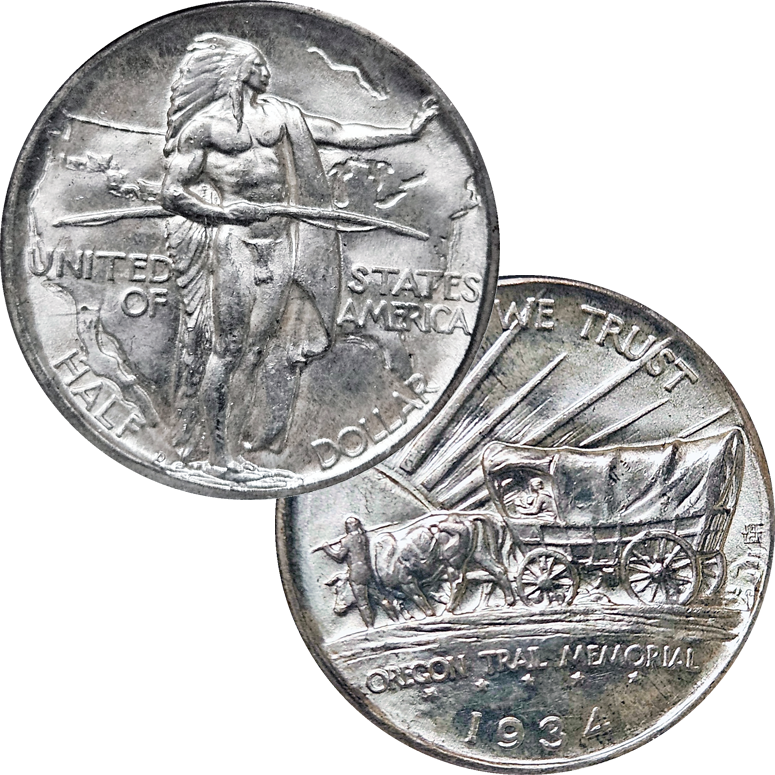
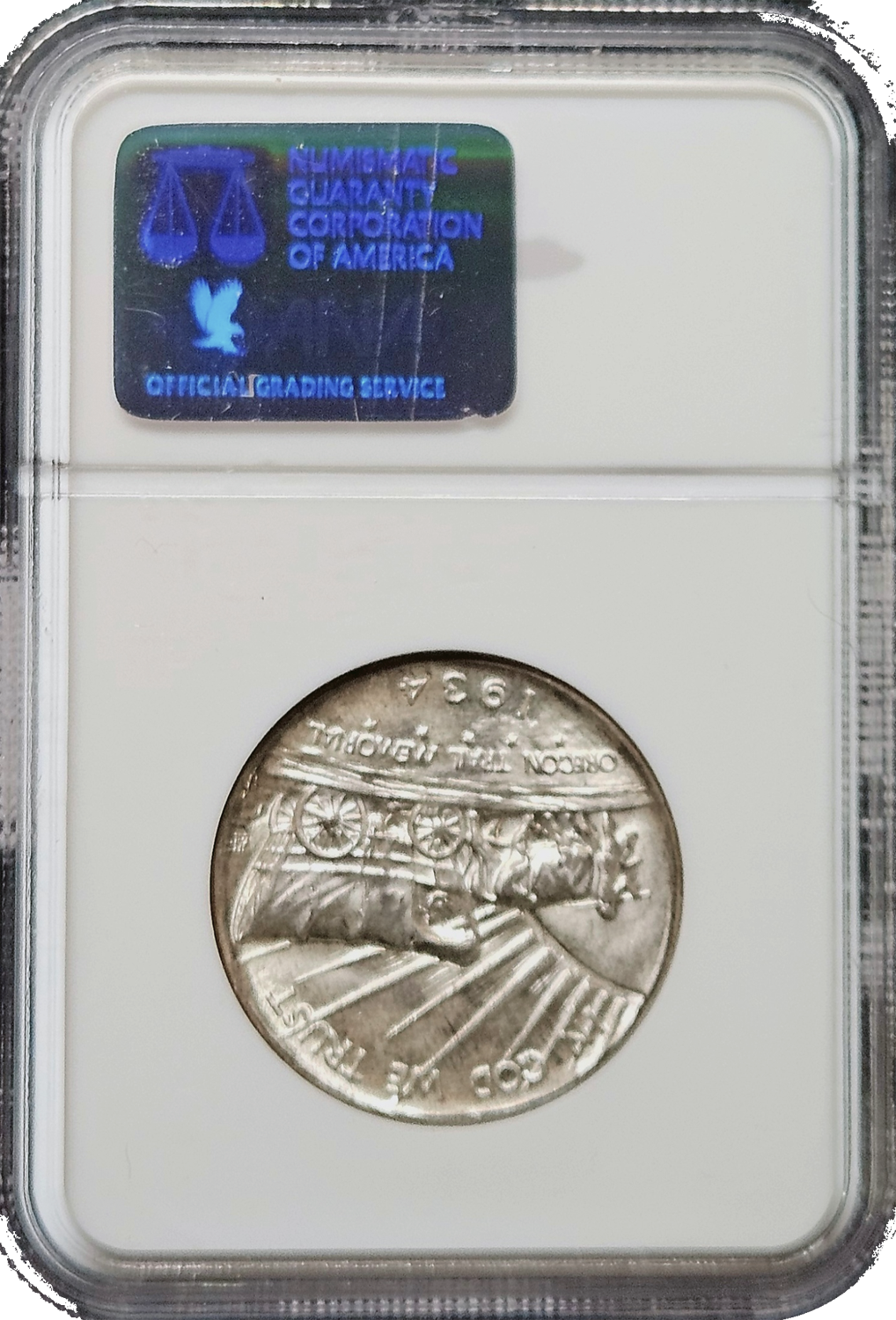
The 1934 Oregon Trail Commemorative Silver Half Dollar is a remarkable piece, not just for its monetary value but also for its rich artistic and historical significance. On the obverse side of the coin, it features a detailed depiction of a covered wagon, an iconic symbol of the westward expansion during the 19th century. This imagery serves as a powerful reminder of the resilience and determination of the pioneers who traversed the Oregon Trail in search of new opportunities.
In addition to the covered wagon, the reverse side of the coin presents a scenic view of the Oregon landscape, with mountains and trees set in a harmonious arrangement that is both striking and evocative of the spirit of adventure that characterized this historic journey. The inscriptions on the coin, including “Oregon Trail” and “1934,” are artistically arranged to enhance its overall design. Such inscriptions not only denote the year of minting but also signify the commemoration of a transformative period in American history.
In terms of specifications, the 1934 Oregon Trail Commemorative Half Dollar is composed primarily of 90% silver and 10% copper. This blend contributes to its desirable weight and aesthetic appeal. The diameter of the coin measures 30.6 millimeters, with a thickness of 2.4 millimeters, which conforms to standard half dollar dimensions of its time. The minting process involved careful attention to detail, ensuring that both the imagery and inscriptions were crisply rendered. Such attention to craftsmanship highlights the significance of the coin not only as currency but also as a historical artifact celebrating the pioneering spirit of American settlers.
Legacy of the Oregon Trail Commemorative Coins
The Oregon Trail commemorative coins, particularly the 1934 Oregon Trail Commemorative Silver Half Dollar, stand as significant artifacts that encapsulate a pivotal moment in American history. These coins were issued to honor the trail that thousands of pioneers traveled during the westward expansion in the 19th century. By embodying the challenges faced by these pioneers—treacherous terrain, harsh weather, and the pursuit of a better life—the coins serve as a somber reminder of their resilience and determination.
Beyond their monetary value, these commemorative coins have substantial cultural importance. The Oregon Trail is not merely a route across the country; it represents stories of hardship, hope, and the indomitable human spirit. The issuance of the commemorative coins contributed significantly to the preservation of these narratives within the American collective memory. Numismatics, the study of coins and currency, plays a vital role in this endeavor, as the coins themselves become vessels that transmit historical knowledge from generation to generation.
The coin’s popularity among collectors also speaks volumes about its enduring legacy. Since its release, the 1934 Oregon Trail Commemorative Half Dollar has witnessed various fluctuations in value, reflecting trends within the numismatic market. Collectors often see these coins not just as collectibles but as representations of history, underscoring the profound connection between the past and the present. As awareness and appreciation for historical narratives increase, memorabilia like the Oregon Trail coins continue to inspire both seasoned collectors and newcomers alike.
Collecting and Investing in the 1934 Oregon Trail Half Dollar
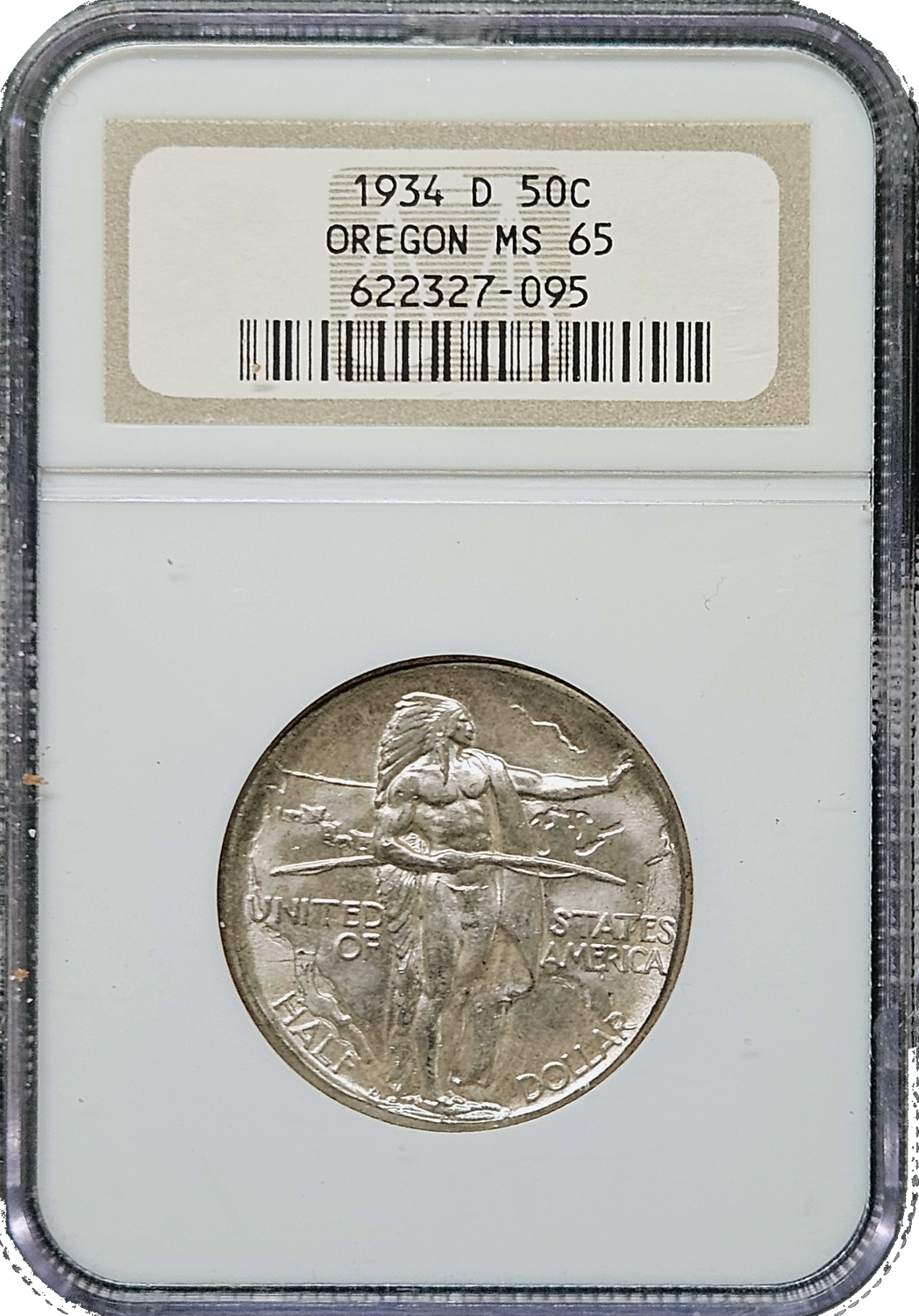
The 1934 Oregon Trail commemorative silver half dollar holds significant historical value along with its numismatic appeal. Collecting and investing in this coin requires a careful assessment of its condition, rarity, and market value. When evaluating the coin, collectors should pay close attention to the grading standards used in numismatics. Coins are generally graded on a scale from Poor (P-1) to Perfect Uncirculated (MS-70). A higher grade indicates better preservation, which can significantly increase a coin’s market value.
To gain insights into the current market value of the 1934 Oregon Trail Half Dollar, collectors can refer to recent auction results, price guides, and numismatic publications. These resources provide comprehensive information on price trends and demand, enabling collectors to make informed decisions. Rarity is another crucial aspect; for instance, the mintage numbers, condition, and historical context can influence a coin’s desirability and price.
Collecting can also extend beyond individual purchases. Engaging with both online and physical numismatic communities is beneficial for networking with other collectors. Auctions, coin shows, and reputable dealers often offer opportunities to obtain these coins. Websites dedicated to the sale and trade of tokens may also feature listings, allowing collectors to compare prices and ensure they are getting fair deals.
Proper care is essential to maintain the condition of the 1934 Oregon Trail Half Dollar. It’s advisable to store coins in protective holders or albums to prevent scratches or tarnishing. Avoid cleaning coins, as this can diminish their value. Regularly inspecting them for signs of wear and environmental damage will help ensure they retain their market viability in the long run. By focusing on these strategies, collectors and investors can navigate the enriching but intricate world of commemorative coin collecting effectively.