
Understanding Grading Companies and Their Importance
Grading companies are essential entities within the numismatic market that specialize in assessing the quality and authenticity of coins and notes. These professional organizations evaluate various factors, such as the condition, rarity, and historical significance of specimens, to assign a grade that reflects their overall quality. The most renowned grading scale used is the 70-point Sheldon scale, where a grade of 70 indicates a coin or note in perfect condition, while a score of 1 denotes a heavily worn item. This grading system helps collectors and investors ascertain the relative value of their items.
The role of grading companies goes beyond mere evaluation; they play a pivotal function in establishing market trust and liquidity. When a coin or note receives a high grade from a reputable grading company, it enhances the item’s marketability and perceived value. Collectors and investors often seek coins with higher grades, as these are typically seen as more desirable. Additionally, a reputable grade can lead to increased buyer confidence, facilitating smoother transactions in the secondary market.
Furthermore, professional grading provides significant benefits for both buyers and sellers. Sellers are able to command higher prices for their items due to the established authenticity and quality assurance provided by the grading company. Buyers, on the other hand, rest assured knowing that their purchases have been independently evaluated, reducing the risk of counterfeit or misrepresented coins and notes. In summary, the impact of grading companies on the numismatic market is profound, influencing value dynamics, enhancing liquidity, and fostering trust among participants in this intricate realm of collecting and investing.
Comparative Overview of Major Grading Companies
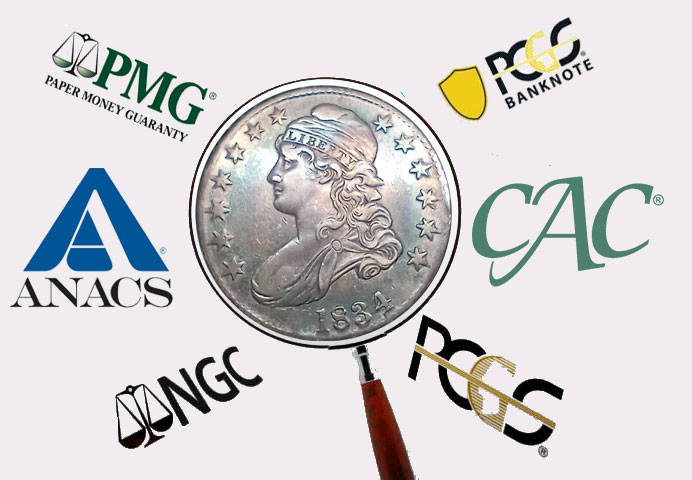
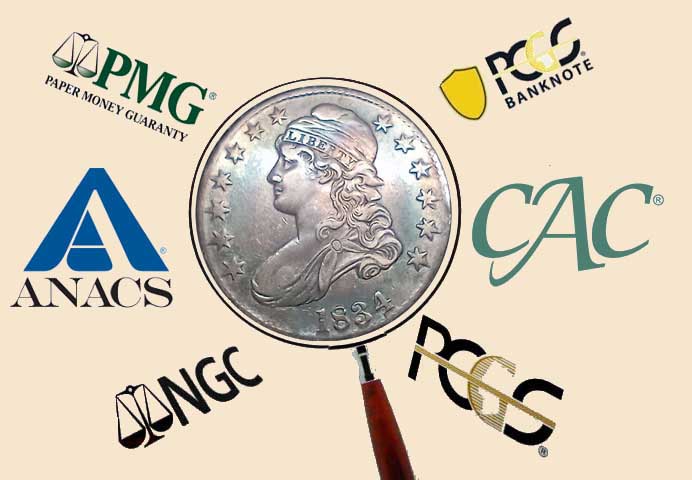
The world of coin and note grading is dominated by several key players, each offering unique services, standards, and reputations. Among the foremost are the Professional Coin Grading Service (PCGS), Numismatic Guaranty Corporation (NGC), and the American Numismatic Association Certification Service (ANACS). Understanding the differences among these companies can guide numismatic enthusiasts in making informed decisions about their collections.
PCGS is highly regarded for its strict grading standards and extensive experience in the industry. Founded in 1986, PCGS aims to enhance transparency and security in coin grading. The company employs a panel of expert graders and utilizes state-of-the-art technology to ensure accuracy and reliability. While their pricing may be higher than some competitors, many collectors are willing to pay a premium for PCGS’s reputation and resale advantages.
NGC, established in 1987, specializes in grading coins, tokens, and medals. Known for its rigorous grading process, NGC is equally respected within the community. They also offer a wide range of services, including conservation and attributing varieties. Like PCGS, NGC’s fees are positioned at a premium, but their added services often justify the cost, especially for collectors seeking a comprehensive grading experience.
ANACS, on the other hand, has carved a niche for itself by providing more accessible pricing options without compromising on quality. Founded in 1972, ANACS is recognized for its customer-oriented approach and commitment to education in numismatics. It will also recognize more varieties than most others. While their reputation may not be as strong as PCGS or NGC, ANACS remains a solid choice for collectors aiming for cost-effective grading solutions.
Coin grading is a complex interplay of observation, knowledge, and experience. By understanding the grading scale, mastering the art of coin grading, and utilizing professional services, collectors can truly appreciate the value and beauty of each piece in their possession. Whether you are beginning your numismatic journey or refining an existing collection, mastering coin grading is invaluable in the world of coin collecting.
In comparing these grading services, factors such as turnaround times, customer service, and the potential resale value of graded items play crucial roles. Ultimately, the decision between these grading companies will depend on individual needs, budget considerations, and the specific attributes of the coins or notes being graded.
Factors to Consider When Choosing a Grading Company
When it comes to selecting a grading company for your coins and notes, several crucial factors must be taken into account to ensure optimal results. One of the primary considerations is the type of coin or note being submitted. Different grading companies may specialize in various kinds of currency, such as rare coins, vintage notes, or modern collectibles. It is essential to choose a company that has a proven track record and expertise in handling the specific items you wish to have graded.
Another vital aspect is the grading company’s market reputation. Researching customer reviews, testimonials, and industry standing can provide invaluable insights into the reliability and trustworthiness of the company. A well-regarded grading company not only ensures that your items are assessed accurately but also elevates their potential value in the marketplace.
Turnaround times are equally important, especially for first-time submitters eager to see their coins and notes evaluated quickly. Different companies offer varying processing speeds, and understanding these timelines can help in planning your submission accordingly. Additionally, the fee structures of grading services should not be overlooked. Different grading companies have unique pricing models, including costs for various service levels and expedited grading options. Comparing these fees will help to find a balance between cost-effectiveness and quality of service.
Lastly, consider the potential for resale value. Some grading companies are more recognized than others, and items graded by prestigious organizations often command higher prices in the resale market. Therefore, weighing the importance of these factors according to your specific needs and expectations is pivotal when making your choice.
Maximizing Returns: Strategies After Receiving Your Grades
Upon receiving your graded coins and notes, the next steps are crucial in maximizing your potential returns. One of the first strategies involves a thorough review of the grading report. Understanding the nuances of the grading criteria can help you appreciate the full value of your items. Knowledge of the grade assigned, along with supplementary information such as market demand and historical price trends, allows you to make informed decisions about your collection.
Next, consider your options for marketing the graded coins and notes. Utilizing online platforms can greatly enhance your reach to potential buyers. High-quality images and clear descriptions are essential in showcasing the details and value of your collectibles. Engaging with collectors on forums or social media can also increase visibility and interest. Additionally, attending coin shows or conventions provides a unique opportunity to connect directly with potential buyers and dealers.
Once you have assessed your marketing strategies, you face the decision of whether to sell immediately or to hold onto your items for future gains. Factors to weigh include market conditions, personal liquidity needs, and the particular qualities of your coins or notes. In some cases, waiting for a more favorable market climate may yield greater financial reward.
Utilizing auctions can be advantageous, especially for highly sought-after items. Presenting your graded collectibles in an auction environment often attracts bidders who are prepared to pay a premium for the right piece. Alternatively, establishing a relationship with a reputable dealer can provide insights into current market trends while facilitating a sale that aligns with your goals.
Lastly, maintaining the condition of your graded items is vital for preserving their long-term value. Ensure that your coins and notes are stored properly, protected from environmental factors, and handled with care. These practices not only safeguard their integrity but also enhance your potential ROI should you decide to sell in the future.